Aware Parenting Principles of Learning
by Aletha Solter, Ph.D.
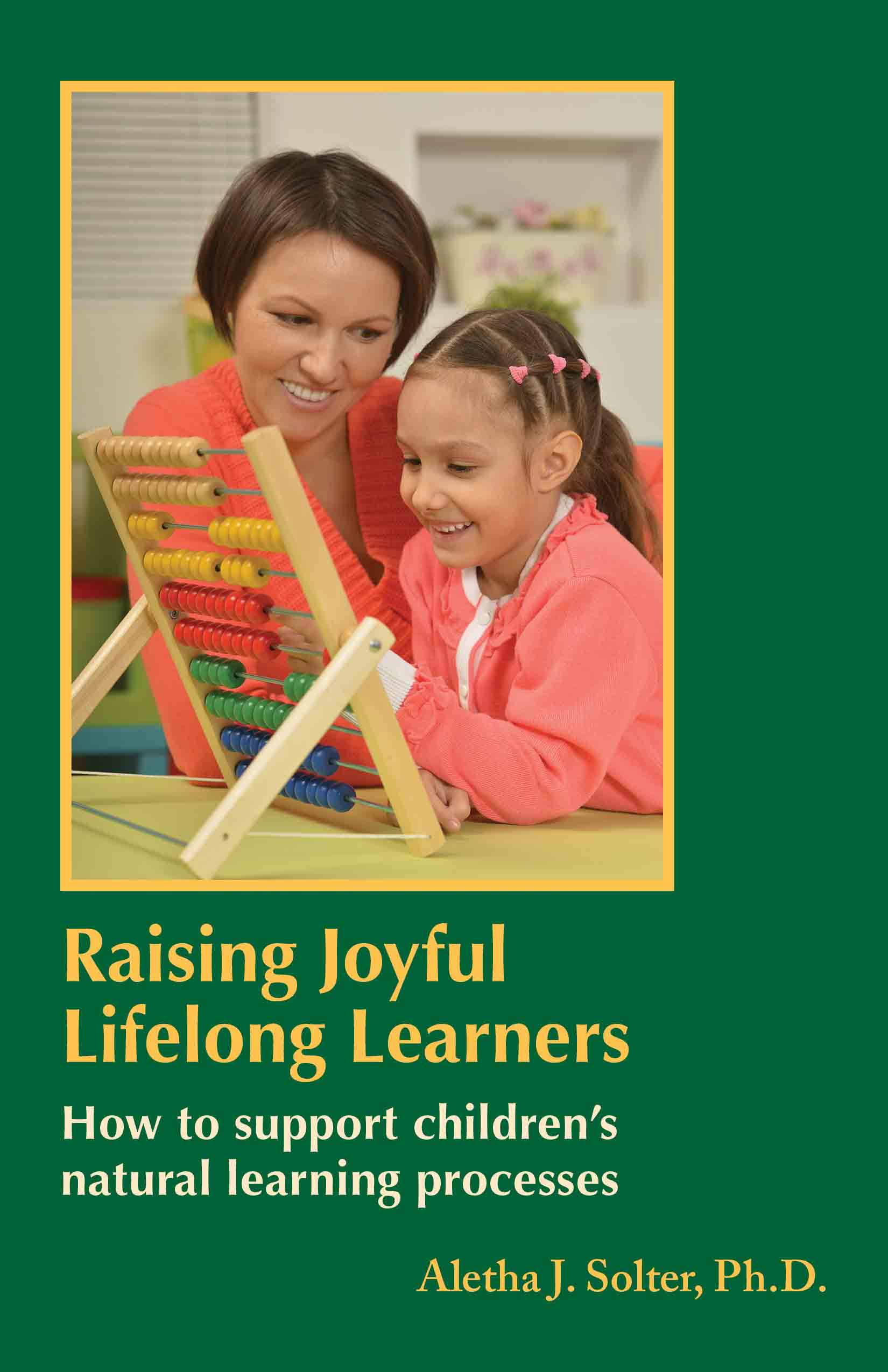
These twelve principles of learning are from Aletha Solter's book, Raising Joyful Lifelong Learners. They are supported by research studies in psychology, child development, and education. Teaching approaches that honor these principles foster deep, meaningful learning. In such environments, children enjoy the learning process.
Click here for a one-page printable version of this article for free distribution to parents.
Click here for a German translation of this article: Aware Parenting Prinzipien des Lernens.
1. All children are born with the desire and ability to learn.
2. Children learn best when the learning is self initiated, arising from their own curiosity and interests, rather than imposed on them. They benefit from an approach that allows choices and self-direction.
3. Children learn best by discovery through hands-on experiences rather than direct verbal instruction. Concept formation and abstract thinking arise naturally out of concrete experiences.
4. Play is the primary mode of learning during the first eight to ten years. It has three major functions.
- Play helps children acquire physical, social, and intellectual skills.
- Play helps children learn and assimilate new information.
- Play helps children release stress and work through traumatic experiences.
5. Appropriate stimulation is important. A rich environment with a variety of manipulative materials facilitates children's learning. Children also benefit by being exposed to stories, books, people, animals, natural environments, ideas, music, games, and real-life activities.
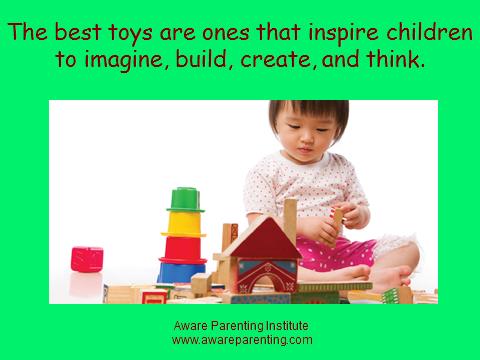
6. The best toys are ones that inspire children to imagine, build, create, and think.
7. Children develop at their own pace and earlier is not necessarily better. It's normal for them to acquire some skills more slowly while they are busy mastering others.
8. There are many kinds of intelligence, and it cannot be measured with a single score (such as an IQ test score). Children who are weak in one kind of intelligence may be strong in others. Children can benefit from educational opportunities that help them use and develop all forms of intelligence.
9. Children under eight years benefit more from hands-on learning than from digital educational activities. Furthermore, too much screen time can interfere with the learning process by stifling the imagination, promoting passivity, and replacing valuable playtime.
10. Children learn best in the absence of tests, grades, rewards, criticism, punishment, or competition.
11. Stress and trauma can interfere with the learning process by causing confusion, anxiety, grief, anger, and difficulty concentrating. The learning process is enhanced when children are allowed to release painful emotions through the natural healing mechanisms of play, laughter, and crying.
12 Children learn best when they have a warm, supportive relationship with their parents and teachers. The learning process is enhanced when parents and teachers:
- Show acceptance and love while providing quality attention.
- Use encouragement instead of praise, rewards, or criticism.
- Have age-appropriate expectations (neither too high nor too low).
- Use a non-punitive approach to discipline.
- Encourage children to ask questions and be independent thinkers.
- Accept children's painful emotions and allow them to cry.
About Aletha Solter
Aletha Solter, PhD, is a developmental psychologist, international speaker, consultant, and founder of the Aware Parenting Institute. Her books have been translated into many languages, and she is recognized internationally as an expert on attachment, trauma, and non-punitive discipline.
Aware Parenting is a philosophy of child-rearing that has the potential to change the world. Based on cutting-edge research and insights in child development, Aware Parenting questions most traditional assumptions about raising children, and proposes a new approach that can profoundly shift a parent's relationship with his or her child. Parents who follow this approach raise children who are bright, compassionate, competent, nonviolent, and drug free.
For more information about these principles of learning, see Aletha Solter's newest book, Raising Joyful Lifelong Learners