How can I bond with my infant before birth?
by Aletha Solter, Ph.D.
Question:
I am three months pregnant and am still not 'excited' about being pregnant. This bothers me because I am concerned about bonding with my child before it's born. Is this unusual, and if not, when does the bonding process begin? And what happens if you don't bond with your child before it is born?
Answer:
The fact that you are asking this question shows that you already care enough about your child to want to bond with it. Bonding during pregnancy does not happen automatically. While some mothers feel an intense joy at being pregnant, and seem to bond to their infants immediately, others find that bonding takes more time. Some mothers find that when they begin to feel the baby move, usually after the fourth month, they start to feel an emotional attachment to it. So there is no reason to feel overly concerned if you do not yet feel a strong bond with your infant. Here are some suggestions of things you can do to increase your feelings of attachment to your unborn baby.
1. Talk about your baby's conception.
Some mothers find that the feelings they have about the sexual relationship resulting in the conception interfere with their ability to bond with their infant. If you have anger towards the father or any negative feelings about the conception of your child, this would be a good time to talk about that. Find someone you can trust, and tell them how you feel. If the conception was not planned, you may need time to sort out your feelings about being pregnant before you can fully accept your baby and bond with it.
2. Take care of your physical needs and talk about any resentments you have.
Even a wanted pregnancy can result in bonding problems if you have health problems, nausea, or other discomfort, because these discomforts can lead to resentment towards your baby. It is important to obtain adequate medical help, eat a good diet, and get plenty of rest. It is also helpful to talk to someone about the ways in which your pregnancy is affecting your life in negative or unexpected ways.
3. Explore deeper feelings.
If you are frightened about giving birth or concerned about your mothering ability or your financial situation, you will benefit from talking about these concerns with a supportive listener. It is normal to feel some ambiguity and anxiety about being pregnant, but it is best if these feelings are brought out in the open.
Also, if you had a previous miscarriage or stillbirth, it is only normal to resist becoming too attached to another baby, for fear of suffering another loss. If you experienced a perinatal loss, it would be important to spend time fully grieving the death of your previous child. This will make it easier for you to bond with this new baby.
Another topic to explore is your relationship with your own mother. If you have never felt closely connected to your mother, you may find it difficult to bond with your baby. Or perhaps you have unresolved anger at your mother. All of these emotions can interfere with bonding. You may need to grieve your own unmet needs for attentions or affection before you can bond with your baby.
4. Follow your baby's physical development.
To help you bond with your unborn infant, you can follow its physical changes by consulting a good picture book showing the stages of prenatal development. These images will help you to visualize your infant as it develops and to think of it as a live person and member of your family.
5. Interact with your unborn baby.
Another good way to bond with your unborn infant is to spend about five minutes, twice a day, interacting with it. You can talk directly to your baby, sing, play music, or tell stories. You can also rub or pat your abdomen, rock in a rocking chair, or dance in rhythm to slow music. It is also beneficial for the baby's father to do these things. Once you begin to feel your infant move, wait until you feel movement before initiating interaction. Then you can respond to its kicks and movements by gently pressing your abdomen. Tell your baby that you love it and welcome it. Studies have shown that prenatal enrichment exercises such as these not only help parents bond with their unborn infants and become better parents, but also result in babies with larger head circumference and enhanced motor, cognitive, social, and language development after birth compared to control groups.
About Aletha Solter:
Aletha Solter, PhD, is a developmental psychologist, international speaker, consultant, and founder of the Aware Parenting Institute. Her books have been translated into many languages, and she is recognized internationally as an expert on attachment, trauma, and non-punitive discipline.
Aware Parenting is a philosophy of child-rearing that has the potential to change the world. Based on cutting-edge research and insights in child development, Aware Parenting questions most traditional assumptions about raising children, and proposes a new approach that can profoundly shift a parent's relationship with his or her child. Parents who follow this approach raise children who are bright, compassionate, competent, nonviolent, and drug free.
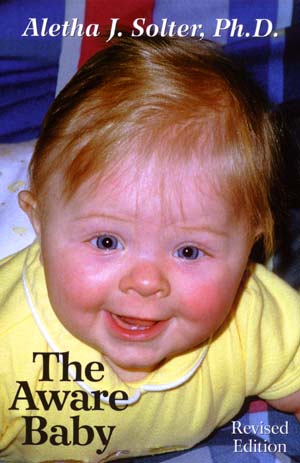
For more information about prenatal bonding, see Aletha Solter's book, The Aware Baby.